
7 Important Things You Must Know Before Moving to Williamson County, Tennessee
Williamson County sits just south of Nashville, and if you've been researching the area online, you've probably seen the rankings: top schools, high incomes, safe neighborhoods. All of that is true. But there's a gap between what the data says and what it feels like to actually live here, and that's what I want to close for you today.
I'm Mitzi Dela Cruz, and I work with buyers moving to the Nashville area every week. Williamson County comes up in almost every conversation, and for good reason. It's one of the fastest-growing counties in Tennessee, and it offers a lifestyle that appeals to a lot of people. But it's not the right fit for everyone, and there are trade-offs that don't show up in the glossy relocation guides.
This isn't a generic overview. I'm walking you through seven specific things that new buyers and movers often overlook when they're deciding whether Williamson County is the right place for them. These are the details that matter once you're living here, not just visiting.
Table of Contents
- Growth and Development Are Constant
- The Commute to Nashville Can Be Longer Than You Think
- Cost of Living Is Higher Across the Board
- School Districts Are a Major Draw, But Verify Current Information
- Social Life and Community Feel Different Depending on Where You Land
- Property Taxes and HOA Fees Add Up
- Inventory Moves Fast and Competition Is Real
- Which Part of Williamson County Is Right for You?
- Ready to Make Your Move to Williamson County?
Growth and Development Are Constant
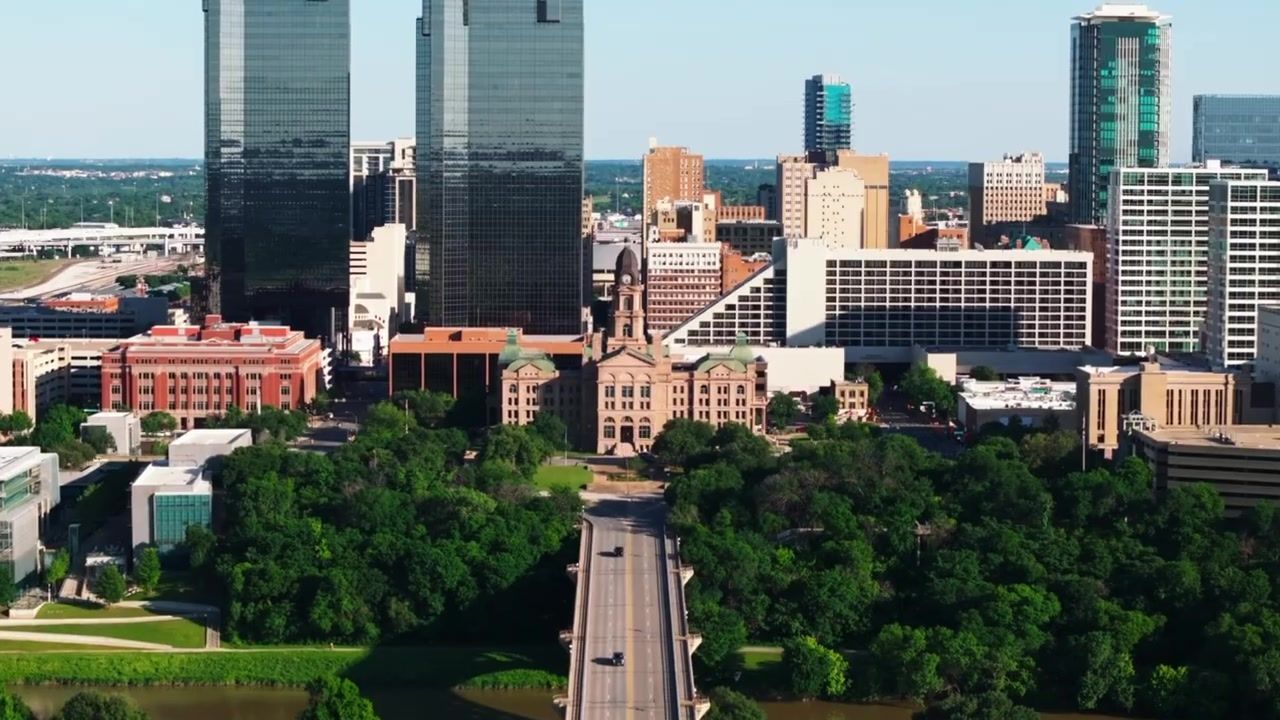
Williamson County is growing, and I mean really growing. New neighborhoods are going up, roads are being widened, and infrastructure is trying to keep pace with the number of people moving in. That growth brings opportunity, but it also brings construction, traffic delays, and a landscape that's constantly changing.
If you're coming from a place where things feel settled, this can be an adjustment. You might buy a home with a clear view or a quiet street, and two years later, there's a new development going in next door. That's not a dealbreaker for everyone, but it's something to think about if you value stability and predictability in your surroundings.
The flip side is that new development often means newer amenities, better shopping, and more dining options. Williamson County has seen a surge in retail and restaurant growth, and that's a direct result of the population increase. Just know that the area you tour today might look different in a few years.
The Commute to Nashville Can Be Longer Than You Think
A lot of people move to Williamson County because they work in Nashville but want more space, better schools, or a quieter setting. That makes sense. But the commute can be longer and more frustrating than the mileage suggests, especially during peak hours.
I-65 is the main artery, and it gets congested. What looks like a twenty-minute drive on a map can easily turn into forty-five minutes or more during morning and evening rush. If your job requires you to be in downtown Nashville or near the airport regularly, factor in that time. It adds up over the course of a week, and it's one of the most common complaints I hear from people who didn't fully account for it before moving.
Some buyers solve this by choosing a home closer to the northern edge of the county, which shortens the drive. Others adjust their work schedule or negotiate remote days. Just don't assume the commute will be easy because you're technically in a suburb.
Cost of Living Is Higher Across the Board
Williamson County is one of the wealthiest counties in Tennessee, and that shows up in the cost of living. Home prices are higher than most of the surrounding areas, but it's not just housing. Groceries, dining out, services, and even gas can cost more here than in other parts of the Nashville metro.
If you're relocating from a high-cost market like California or the Northeast, Williamson County might still feel like a bargain. But if you're coming from another part of Tennessee or the South, the sticker shock is real. Make sure your budget accounts for the full picture, not just the mortgage payment.
The trade-off is that you're paying for a certain quality of life: low crime, well-maintained public spaces, and a level of infrastructure that's generally better than what you'll find in more affordable areas. But it's important to go in with your eyes open about what things actually cost.
School Districts Are a Major Draw, But Verify Current Information
One of the biggest reasons families move to Williamson County is the school system. The county has a strong reputation, and that reputation is a major driver of home values. But school quality can vary within the county, and district lines can shift as new schools open and populations grow.
If schools are a priority for your household, do your homework. Look at current enrollment numbers, teacher-to-student ratios, and program offerings. Talk to parents who live in the area. And verify which school your home is zoned for before you make an offer, because that can change.
I'm not here to rate schools or tell you which ones are better. That's something you need to research directly with Williamson County Schools. But I will say that the school system is a huge part of the county's identity, and it's one of the main reasons people are willing to pay a premium to live here.
Social Life and Community Feel Different Depending on Where You Land
Williamson County isn't one monolithic place. It includes several distinct towns and communities, each with its own personality. Franklin has a historic downtown with shops, restaurants, and events. Brentwood feels more suburban and polished. Nolensville and Arrington are smaller and still developing. Where you choose to live will shape your day-to-day experience.
Some neighborhoods have active social scenes with community events, pools, and clubhouses. Others are quieter and more spread out. If you're someone who values walkability and a sense of community, you'll want to pay attention to the specific neighborhood, not just the county as a whole.
This is also a place where people tend to be busy. It's not uncommon for households to have two working parents, kids in multiple activities, and packed schedules. That can make it harder to build friendships if you're new to the area. It's not unfriendly, but it's not always easy to break in, either.
Property Taxes and HOA Fees Add Up
Tennessee doesn't have a state income tax, which is a big draw for a lot of people. But property taxes in Williamson County are higher than in some other parts of the state, and that's something to factor into your monthly budget. The county has invested heavily in schools, infrastructure, and public services, and property taxes help fund that.
Many neighborhoods also have HOA fees, and those can range from modest to significant depending on the amenities. Some HOAs cover lawn care, pool access, and community events. Others are more hands-off. Make sure you know what you're paying for and whether the fees are likely to increase over time.
These costs don't make Williamson County unaffordable, but they do add up. Run the numbers before you commit, and make sure you're comfortable with the full monthly payment, not just the mortgage.
Inventory Moves Fast and Competition Is Real
Williamson County is a competitive market. Homes that are priced right and show well tend to move quickly, and it's not unusual to see multiple offers on a property. If you're relocating from out of state, that can make the buying process more stressful, especially if you're trying to coordinate a move and a purchase at the same time.
Working with an agent who knows the area and can move fast is critical. You need someone who can help you identify homes as soon as they hit the market, schedule showings quickly, and put together a strong offer. Waiting a few days to think it over can mean losing the house to another buyer.
The good news is that inventory does exist, and new construction is still happening in several parts of the county. But if you're set on a specific neighborhood or price range, be prepared to act quickly when the right home comes up.
Which Part of Williamson County Is Right for You?
Williamson County offers a lot, but it's not a one-size-fits-all place. If you value top-rated school districts, low crime, and a suburban lifestyle with access to Nashville, it's worth serious consideration. If you're looking for affordability, a slower pace, or a more urban setting, you might be happier in a different part of the metro.
The key is to visit, spend time in the neighborhoods you're considering, and talk to people who live here. Don't rely on rankings or online research alone. This is a big decision, and it's worth taking the time to make sure it's the right one for you.
Ready to Make Your Move to Williamson County?
If you're thinking about relocating to Williamson County or anywhere in the Nashville area, I'd love to help. I work with buyers and sellers every day, and I know how to make the transition smoother, whether you're moving from across the country or across town.
Reach out anytime, days, nights, weekends. I'm here to answer your questions, show you around, and help you find the right fit. Call or text me directly at 615-845-5569, or email Nashville@realagentnow.com. Let's talk about what you're looking for and how I can help you get there.
FAQ: Moving to Williamson County, Tennessee
What is Williamson County known for?
Williamson County is known for its strong school system, low crime rates, and high quality of life. It's one of the wealthiest counties in Tennessee and has seen significant growth over the past decade. The county includes several towns and communities, each with its own character, and it's a popular choice for families and professionals working in Nashville.
How far is Williamson County from downtown Nashville?
Williamson County is directly south of Nashville, and the distance varies depending on where you are in the county. The northern edge is closer, while towns farther south can be thirty miles or more from downtown. Commute times depend heavily on traffic, especially during peak hours on I-65.
Is Williamson County expensive?
Yes, Williamson County has a higher cost of living than many other parts of Tennessee. Home prices, property taxes, and everyday expenses tend to be above the state average. However, for buyers relocating from higher-cost markets, it can still feel more affordable than where they're coming from.
What towns are in Williamson County?
Williamson County includes Franklin, Brentwood, Nolensville, Spring Hill, and several smaller communities. Each town has its own feel, from Franklin's historic downtown to Brentwood's suburban neighborhoods. Where you choose to live will shape your day-to-day experience.
How competitive is the housing market in Williamson County?
The housing market in Williamson County is competitive. Homes that are priced well and in good condition tend to move quickly, and multiple offers are common. Buyers need to be prepared to act fast, especially in desirable neighborhoods or price ranges.
What should I know about schools in Williamson County?
Williamson County Schools has a strong reputation, and the school system is a major reason families move to the area. However, school quality and offerings can vary, and district lines can change as new schools open. If schools are a priority, verify current zoning and enrollment information directly with the district before making a decision.

Mitzi De La Cruz
With a deep understanding of the Tennessee and Northern California markets, my team and I are equipped to guide homebuyers, sellers, and those relocating with expertise and care.